Search
Mon-Fri: 7am to 5pm | Sat: 8am to 12pm | Sun: Closed
Show Prices Inc. VAT
Product Catalogue
    Menu Close
    RSS

    Blog

    (0) Unveiling the Benefits of Composite Decking

    Composite decking has revolutionised outdoor spaces, offering a blend of beauty and durability that traditional wood cannot match. With its growing popularity, understanding the full range of benefits it provides can help homeowners make informed decisions when planning their outdoor living areas. Here at Bendrey Bros, we have put together a few key benefits of composite decking:

     

    1. Durability and Longevity

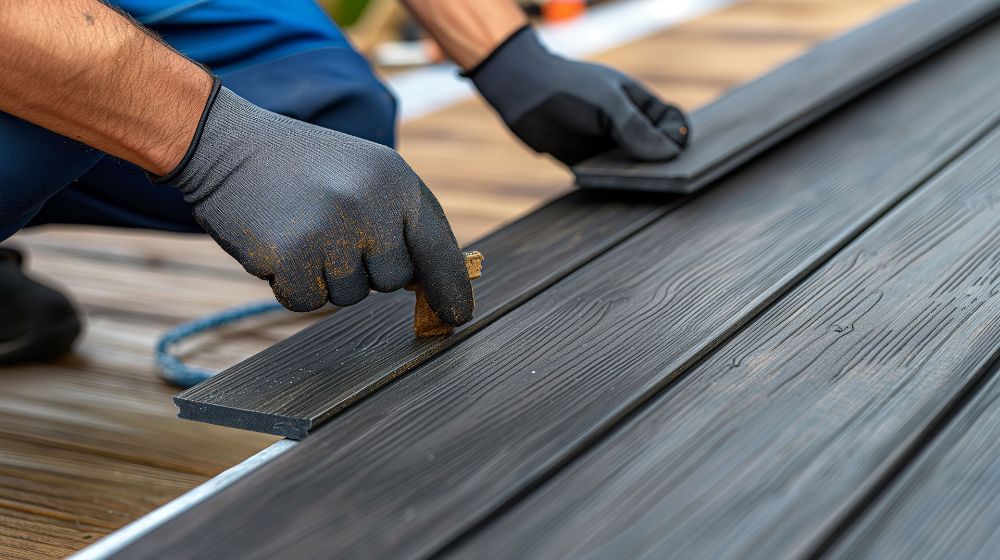
    Composite deck materials are engineered to withstand extreme weather conditions and resist rot, warping, and termite damage, ensuring they last for years with minimal wear and tear. Their robust construction means they can handle heavy foot traffic and the impact of outdoor furniture without showing signs of distress.

    2. Low Maintenance

    Unlike wood, composite deck boards require no staining, sealing, or painting. A periodic cleaning with soap and water keeps them looking fresh. This low maintenance aspect is particularly appealing for busy homeowners who want to enjoy their outdoor space without dedicating significant time and effort to its upkeep.

    3. Aesthetic Variety

    Available in a wide range of colours and finishes, composite decking can mimic the appearance of natural wood or offer a sleek, modern look. This flexibility allows homeowners to customise their outdoor space to match their style. Whether you prefer the rustic charm of timber or a contemporary design, composite decking provides numerous options to achieve the desired aesthetic.

    4. Eco-Friendly

    Many composite decking materials incorporate recycled products, such as plastic bags and reclaimed wood, making them an environmentally responsible choice. By choosing composite decking, homeowners can contribute to reducing waste and promoting sustainable practices. Additionally, the long lifespan of composite deck materials means fewer resources are consumed over time, further enhancing its eco-friendly credentials.

    5. Fade Resistance

    Composite decking is designed to resist fading from sun exposure, maintaining its vibrant appearance for years. Advanced manufacturing techniques ensure that the colour is consistent throughout the board, so even if the surface gets scratched, the colour remains unchanged. This resistance to fading helps keep the deck looking new and attractive over its lifetime.

    6. Safety Features

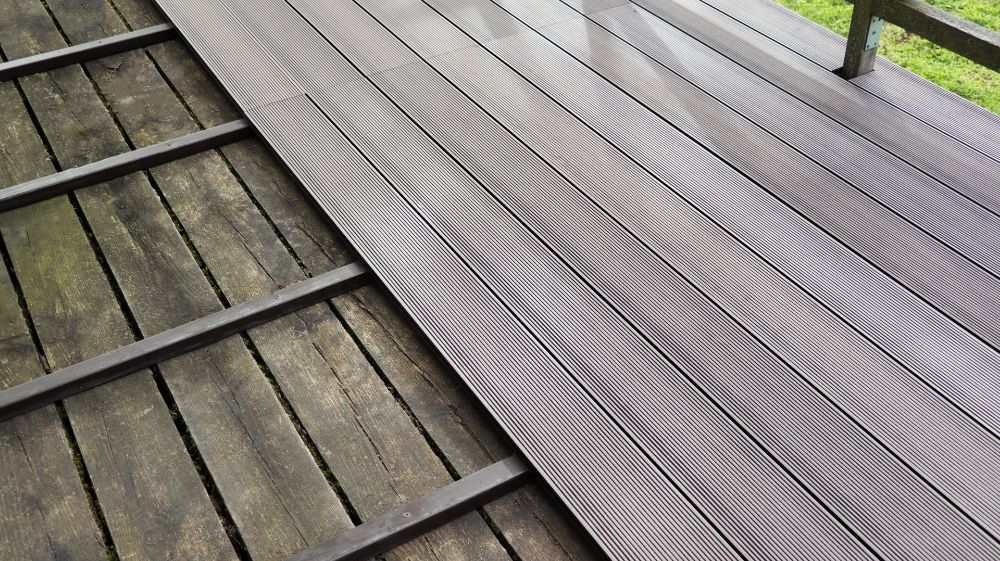
    Its splinter-free surface and excellent slip resistance make composite decking a safer option, especially for families with children or for areas around pools. The material’s stability under wet conditions reduces the risk of slips and falls, providing peace of mind for homeowners who prioritise safety in their outdoor environments. Composite deck boards provide a smooth, even surface that reduces the risk of injuries from splinters or slips.

    7. Design Flexibility

    Composite decking can be tailored to specific needs, offering options for built-in seating, custom railings, and various layouts, enhancing the functionality and beauty of outdoor spaces. The versatility in decking design means that decks can be constructed to fit any shape or size, accommodating unique architectural features and personal preferences. The flexibility of composite deck boards allows for creative and personalised deck designs.

    8. Home Value Enhancement

    Installing composite decking can increase a home's value, making it more appealing to potential buyers due to its premium look and low maintenance requirements. Homebuyers are often drawn to features that promise longevity and ease of care, making composite decking a smart investment for those looking to enhance their property’s marketability.

    9. Long-Term Cost Savings

    Although initially more expensive than wood, the reduced maintenance and longer lifespan of composite decking offer significant cost savings over time. Homeowners save on the costs of staining, sealing, and repairing wooden decks, making composite decking a cost-effective option in the long run. Investing in composite deck boards means fewer replacements and repairs, resulting in long-term financial savings.

    10. Sustainability

    Composite decking's use of recycled materials and its longevity contribute to a lower environmental impact compared to traditional wood decking. The production process is designed to minimise waste, and the durability of the material means fewer replacements and less frequent use of new resources. By choosing composite deck boards, homeowners support sustainable practices and reduce their ecological footprint.

    11. Consistent Quality

    One of the key advantages of composite decking is its consistent quality. Unlike natural wood, which can vary in strength and appearance, composite decking is manufactured to precise standards, ensuring consistency in each board. This consistency results in a more predictable installation process and an evenly beautiful finished product.

    12. Insect Resistance

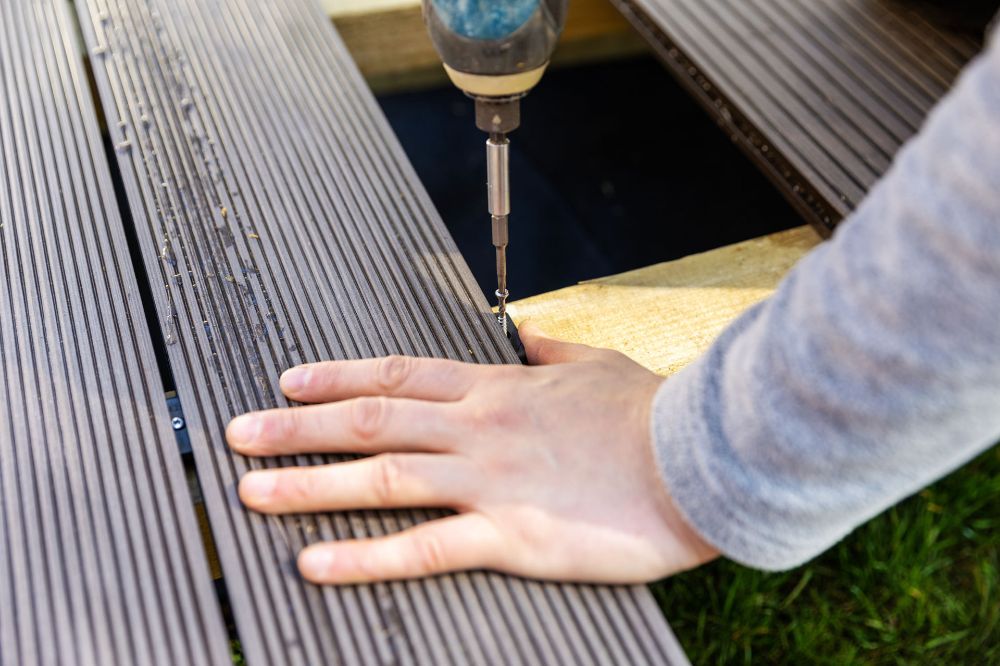
    Composite decking is inherently resistant to insect damage. Unlike wood, which can be susceptible to termites and other pests, composite materials do not provide a food source for insects. This resistance reduces the need for chemical treatments and extends the life of the deck. Composite deck boards offer peace of mind by protecting your outdoor space from insect infestations.


    In summary, composite decking offers an attractive, durable, and eco-friendly solution for enhancing outdoor living spaces. Its low maintenance and safety features make it a practical choice for homeowners looking to invest in their property’s long-term beauty and functionality. With a wide range of design options and significant long-term savings, composite decking stands out as a superior choice for modern outdoor environments. Composite deck boards provide the perfect blend of style, durability, and environmental responsibility, making them an excellent choice for any homeowner.

    If you’re interested in finding out more about composite decking or require personalised advice, be sure to contact the team here at Bendrey Bros and we’ll be happy to help.
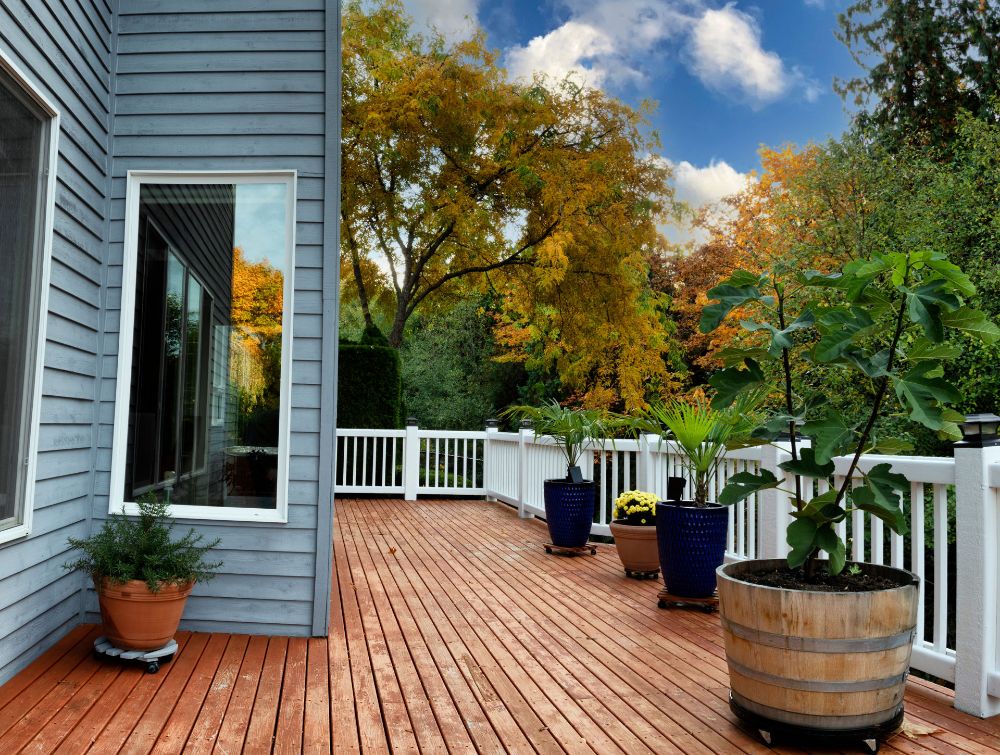
    (0) From Wood to Composite: How Long Does Each Type of Decking Last?

    When deciding on decking materials, longevity is a critical factor to consider. Both wood and composite decking have their pros and cons, particularly regarding how long they last. Let’s delve into the expected lifespan of each type and the factors influencing their durability. 

    Wood Decking

    Pressure-Treated Wood 

    Pressure-treated wood is one of the most common decking materials. It is treated with chemicals to resist rot and insects, but even so, its lifespan typically ranges from 10 to 15 years. Regular maintenance, such as annual cleaning, sealing, and staining, can help prolong its life. Without proper care, pressure-treated wood can warp, crack, and become susceptible to rot and insect damage.


    Cedar Decking and Redwood Decking 

    Naturally resistant to rot and insects, cedar and redwood can last a bit longer than pressure-treated wood, usually between 15 to 20 years. These softwoods are more expensive but are known for their natural beauty and durability. However, like all wood decks, they require regular maintenance to maximise their lifespan.

    Ipe Decking and Other Hardwoods 

    Hardwood decking options, such as Ipe, can last significantly longer, often 25 to 40 years, due to their dense nature and natural oils that resist decay and insect damage. These exotic hardwoods are more durable but come with a higher price tag and require regular maintenance to keep them looking their best.


    Composite Decking

    Composite decking, made from a blend of wood fibres and plastic, offers a longer lifespan and lower maintenance compared to traditional wood decking.

    Standard Composite Decking 

    Composite decking generally lasts between 25 to 30 years. Its resistance to moisture, insects, and UV rays significantly reduces the risks of warping, splintering, and decay. This makes composite decking a popular choice for those looking for durability with minimal upkeep. Regular cleaning and occasional inspections are usually all that’s needed to keep it in good condition.

    Capped Composite Decking 

    An advanced version of composite decking, capped composite decking, has an additional protective layer (cap) that enhances its durability and resistance to the elements. This type can last even longer, often between 30 to 50 years, depending on the quality of the materials and installation. The cap prevents moisture infiltration and protects against fading and staining, making it an excellent long-term investment.

    PVC Decking 

    A step above capped composite, PVC decking is made entirely from plastic and offers the highest durability and longevity, often exceeding 50 years. It is completely resistant to moisture and insects and requires the least maintenance, typically just an occasional wash.

    Factors Influencing Deck Lifespan

    1. Maintenance: Regular cleaning, sealing (for wood), and prompt repair of any damage can significantly extend the life of your deck. Composite decking requires less maintenance than wood but should still be cleaned and inspected periodically.

    2. Quality of Materials: Higher-quality wood or composite materials generally offer better durability. Investing in premium products can result in a longer-lasting deck.

    3. Installation: Proper installation is crucial. Poor installation can lead to issues like improper drainage, which can shorten the lifespan of your deck. Hiring experienced professionals is advisable to ensure your deck is built to last.

    4. Environmental Factors: Exposure to extreme weather conditions can affect the longevity of decking materials. Wood decks in humid or rainy climates may require more frequent maintenance compared to those in drier areas.

    5. Usage: The amount of foot traffic and the types of activities your deck endures can also impact its longevity. High-traffic areas or heavy use can lead to quicker wear and tear, necessitating more frequent maintenance and potentially shortening the deck’s lifespan.

    Deck Maintenance Tips for Longevity

    Proper deck maintenance is essential to extend the lifespan of your deck, whether wood or composite.

    • Regular Cleaning: Sweep or use a leaf blower to keep debris at bay, preventing mould and mildew buildup.

    • Deep Cleaning: Use mild soap and water or a gentle pressure wash twice a year to keep your deck looking its best.

    • Avoid Harsh Chemicals: Steer clear of abrasive cleaners that could damage the deck surface.

    • Prompt Repairs: Address signs of damage or wear immediately to prevent further deterioration.


    Deck Durability and Longevity

    Choosing durable materials and maintaining your deck properly ensures long-lasting performance. Wood decks, though beautiful, require more upkeep and have a shorter lifespan. Composite decking, with its blend of recycled wood fibres and plastic, offers enhanced durability and longevity, often lasting several decades with minimal maintenance.

    Conclusion

    Choosing between wood and composite decking depends on your priorities for maintenance, budget, and how long you want your deck to last. Wood decking, while initially cheaper, requires more upkeep and has a shorter lifespan. Composite decking, though more expensive upfront, offers greater longevity and lower maintenance, making it a cost-effective choice in the long run.

    By understanding the lifespan and maintenance requirements of each decking type, you can make an informed decision that ensures your outdoor space remains beautiful and functional for years to come. Proper deck installation by experienced professionals further guarantees the longevity and durability of your investment.

    For more information or to discuss your decking options, feel free to get in touch. Our team of experts here at Bendrey Bros are ready to help you choose the best decking material for your needs and ensure quality that will last for years.


    (0) Exploring Different Decking Patterns with Softwood, Hardwood & Composite

    As the sun makes an appearance our gaze naturally drifts towards our gardens. Transforming these spaces into havens for relaxation and entertaining becomes a top priority. But what truly elevates a deck from functional to fabulous? 

    The answer lies in the details, specifically the decking pattern you choose. Here, we delve into the world of decking patterns, exploring options for softwood, hardwood, and composite materials to help you create a one-of-a-kind outdoor masterpiece.

    The Power of Pattern: Beyond Straight Lines

    While the classic straight-laid pattern holds a timeless charm, exploring different decking layouts can add a touch of personality and visual interest to your outdoor space. These patterns not only enhance the aesthetics but can also define specific areas within your deck. Let's explore some popular options that work well with softwood, composite, and hardwood decking materials.

    The Everlasting Classic: Straight-Laid Decking

    This traditional approach involves laying the boards parallel to the house or a major focal point. It's a straightforward and elegant choice for any deck size or material. Softwood options offer affordability for this pattern, while the rich tones of hardwood add a touch of luxury. Composite decking, available in a range of colours and textures, allows you to create a classic look with a modern twist.

    Adding Dimension: Diagonal Decking

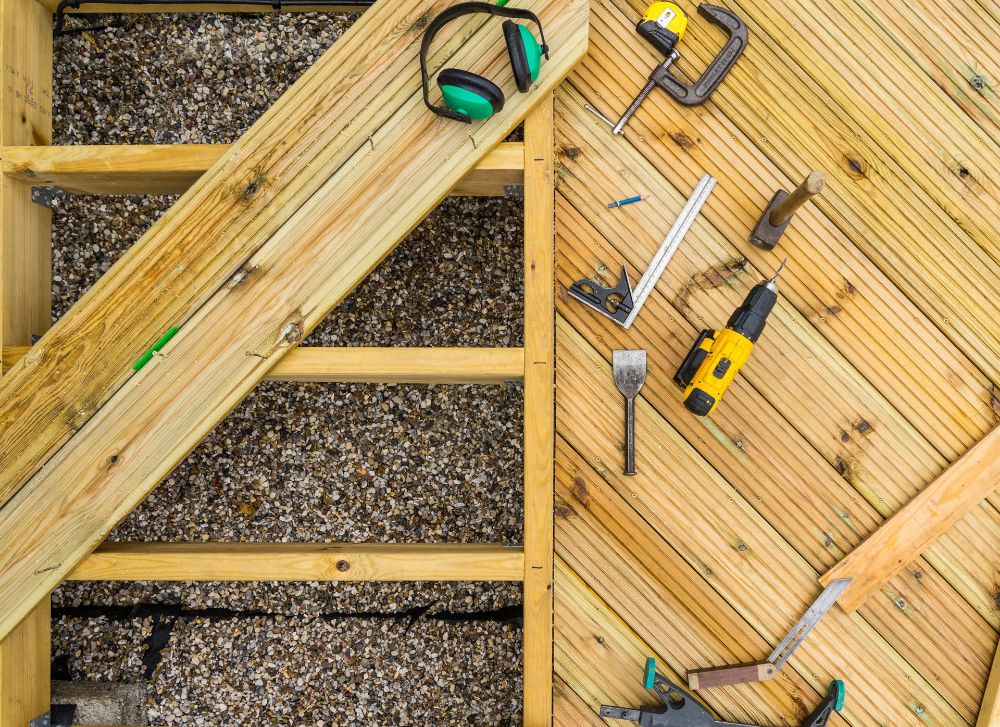
    This pattern involves laying the boards diagonally at a 45-degree angle. It creates a dynamic visual effect and can make a smaller deck appear more spacious. Diagonal patterns work well with all decking materials, but they are particularly striking with wider hardwood decking planks or composite decking that mimic the look of wood with a grainy texture.

    The Playful Choice: Chevron Pattern

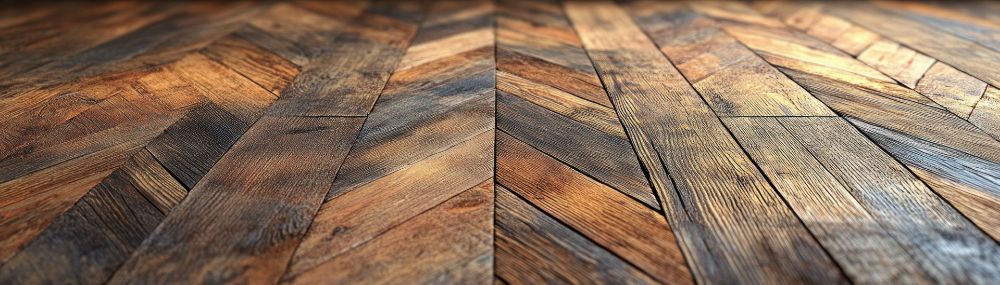
    Similar to the herringbone, the chevron pattern uses diagonal boards but without the interlocking V-shape. This creates a more playful and dynamic visual effect. Chevron patterns work well with all materials but are particularly effective with wider softwood decking planks or composite decking that imitate the look of reclaimed wood.

    Patchwork Perfection: Random Decking Plank Pattern

    For a truly unique and rustic aesthetic, consider the random plank pattern. This involves using boards of varying lengths and widths, creating a patchwork effect. While this pattern requires more planning and cutting, it can be a great way to utilise leftover materials or add an interesting look to your deck. Random plank patterns are best suited for softwood decking due to its affordability and ease of working with.

    Choosing the Right Pattern for Your Deck

    Several factors influence which decking pattern is right for you. Here are some key considerations:

    • Deck Size: Diagonal and herringbone patterns can make a small deck feel larger, while straight-laid patterns work well for any size space.

    • Material: Some patterns, like herringbone, require more stability and are better suited for hardwood or composite decking.

    • Style: Consider the overall aesthetic you're aiming for. Classic, modern, rustic – choose a pattern that complements your vision.

    • Maintenance: Some intricate patterns require more time and effort to maintain due to the presence of corners and edges. Take a look at our handy decking maintenance guide for tips to keep it looking fresh for years to come.

    Pro Tips for Decking Patterns

    • Plan Ahead: Sketch out your chosen pattern beforehand to ensure it fits your deck layout and consider the visual flow.

    • Seek Professional Help: For intricate patterns like herringbone, consider hiring a professional deck builder for a flawless result.

    • Utilise Technology: There are online decking pattern planning tools that can help you visualise different layouts on your specific deck dimensions.

    • Don't Be Afraid to Experiment: With readily available composite decking options that mimic various wood grains, you can experiment with bolder patterns that might not be feasible with traditional materials.

    The Final Touches: Bringing Your Pattern to Life

    Once you've chosen your decking pattern, the fun of bringing it to life begins. Here are some additional tips to elevate your deck further:

    • Contrasting Borders: For straight-laid patterns, consider using a contrasting border in a different wood species or composite colour to define the edge of your deck.

    • Lighting Magic: Strategic lighting can enhance your chosen pattern. String lights along the border or install spotlights to highlight the texture and dimension of the decking.

    • Furniture & Accents: Choose garden furniture that compliments your decking pattern and overall style. Consider incorporating planters and decorative elements made from the same material for a cohesive look.

    By exploring different decking patterns and following these tips, you can transform your garden into a stunning and functional outdoor space. Remember, the right pattern can elevate your chosen decking material – be it softwood, hardwood, or composite – and create a one-of-a-kind haven for relaxation and entertaining. 

    So, head to your local Bristol timber merchant to unleash your creativity and embrace the power of decking patterns! Contact Bendrey Bros today or browse our website to see our stock of decking materials.


    (0) Why You Should Invest in Hardwood Decking
    Wondering whether to invest in hardwood decking? Discover its unmatched beauty, long-lasting durability, and eco-friendly possibilities in our latest blog.
    (0) Fire Pit Decking Ideas for Creating the Perfect Summer Garden

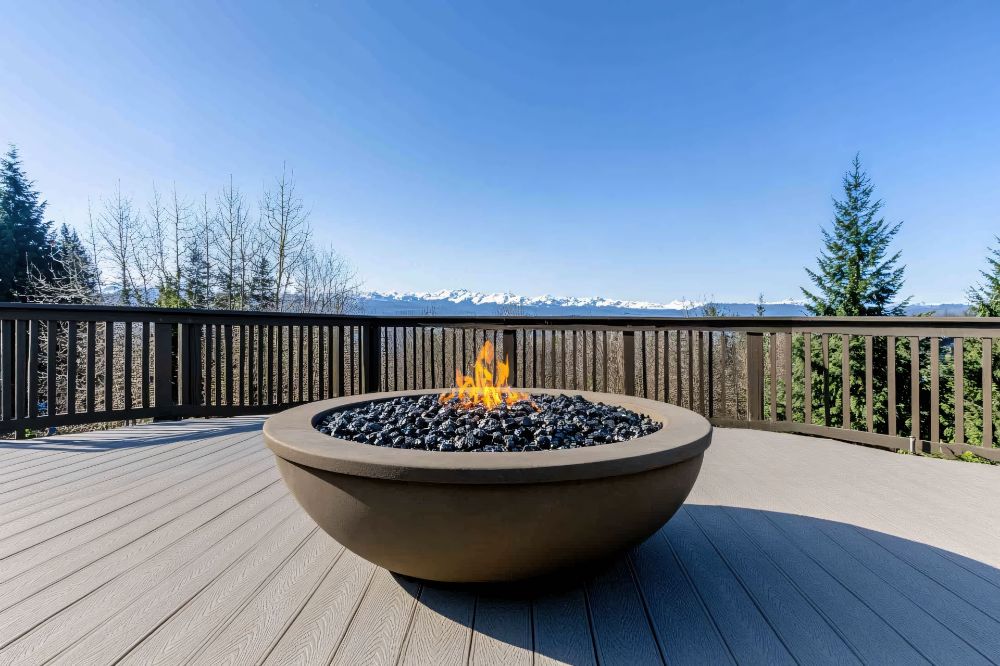
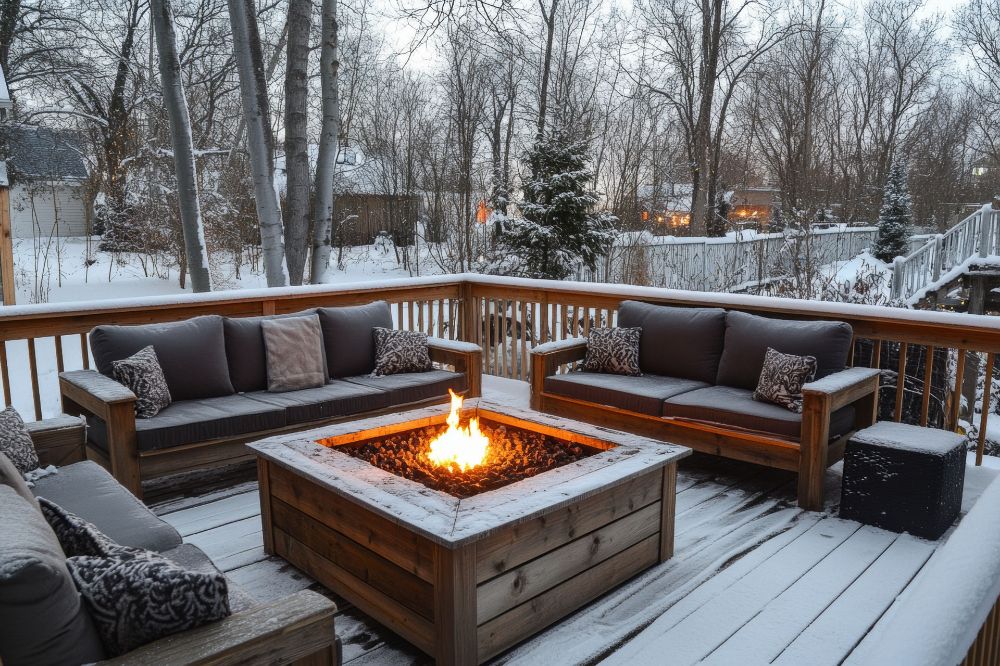
    As the sun stretches its golden glow across the sky, our thoughts naturally drift towards spending more time outdoors, and what better way to embrace the long summer evenings than by creating a garden haven centred around a crackling fire pit? 

    Here's where fire pit decking comes in, transforming your outdoor space into a functional and stylish hub for both relaxation and entertaining.


    Choosing the Right Decking Material

    The foundation of your fire pit oasis lies in the decking material. Here's a breakdown of three popular options, each offering unique benefits:

    • Softwood Decking: This budget-friendly choice provides a natural aesthetic and is readily available. However, softwood decking requires regular maintenance with staining or sealing to combat rot and warping.

    • Hardwood Decking: For enduring beauty and a touch of luxury, consider hardwood decking. Hardwood offers outstanding durability and a rich, warm tone that complements any garden design. However, hardwood decking can be a pricier option and requires periodic cleaning and oiling to maintain its lustre.

    • Composite Decking: This low-maintenance alternative offers the look of wood with the practicality of modern materials. It boasts superior resistance to moisture, fading, and insect damage, making it a great choice for areas with high humidity or frequent rain. While slightly more expensive than softwood, composite decking can be a cost-effective option in the long run due to its minimal upkeep needs.

    For a full guide to decking maintenance for each material, check out our blog.


    Choosing Your Fire Pit Decking Design

    • An Intimate Gathering: Create an intimate setting by arranging comfortable outdoor furniture in a circular layout around the fire pit. This creates a conversation-friendly space, perfect for sharing stories and laughter. Deep-seated chairs, weatherproof cushions, and a sturdy coffee table crafted from the same decking material will complete the look.

    • A Multi-Purpose Zone: For larger decks, consider incorporating additional zones for dining and lounging. Define these areas with area rugs, strategically placed furniture, or potted plants in matching timber planters. This allows for versatility and caters to different activities throughout your summer evenings.

    • The Elevated Experience: Take your fire pit area to new heights by building a platform deck from your chosen wood or composite material. This creates a designated space for gathering and adds a touch of drama to your garden design. Additionally, an elevated platform can offer stunning views of your surroundings.

    Enhancing Decking Functionality

    Now, let's inject personality and elevate the functionality of your fire pit haven:

    • Warm Glow, Cool Nights: String fairy lights overhead or place solar lanterns around the seating area for a magical touch after dark. You can also install wall sconces on nearby fences for a more permanent lighting solution, ensuring a safe and cosy environment.

    • Fire & Comfort: Consider adding a fire table as an alternative or a complementary fire source. They offer a sleek and modern look, and some models even provide a warming surface for drinks and snacks.

    • Storage Solutions: Built-in benches crafted from your chosen decking material offer a stylish and practical solution for storing firewood, cushions, or throws. This keeps your space clutter-free and ensures everything you need is at your fingertips.

    • A Shaded Sanctuary: A strategically placed pergola provides much-needed shade during the hottest part of the day. Decorate it with climbing plants or install sheer curtains for a touch of whimsical charm.

    • Water Features: Introduce a calming element by incorporating a water feature. A small tabletop fountain crafted from wood or a built-in feature constructed with matching composite materials can add a touch of serenity to your fire pit area.


    Finishing Touches & Safety

    No fire pit area is complete without the finishing touches. Add decorative throws, weatherproof pillows, and outdoor rugs in colours that complement your chosen decking material to provide comfort and personality. Remember to prioritise safety by placing a fire pit screen around the open flame to contain sparks and ensuring your fire pit sits at least a metre away from any structures or flammable materials

    Here are some additional safety tips to remember:

    • Never leave a burning fire unattended.

    • Ensure children and pets are supervised around the fire pit at all times.

    • Douse the fire completely with water before leaving the area unattended.

    By incorporating these ideas and prioritising safety, you can transform your fire pit deck into the heart of your summer. So, gather your loved ones, light a fire, and get ready for fun times under the warm glow of the summer night sky in your very own outdoor oasis.

    (0) Should I Choose Concrete or Wooden Fence Posts?

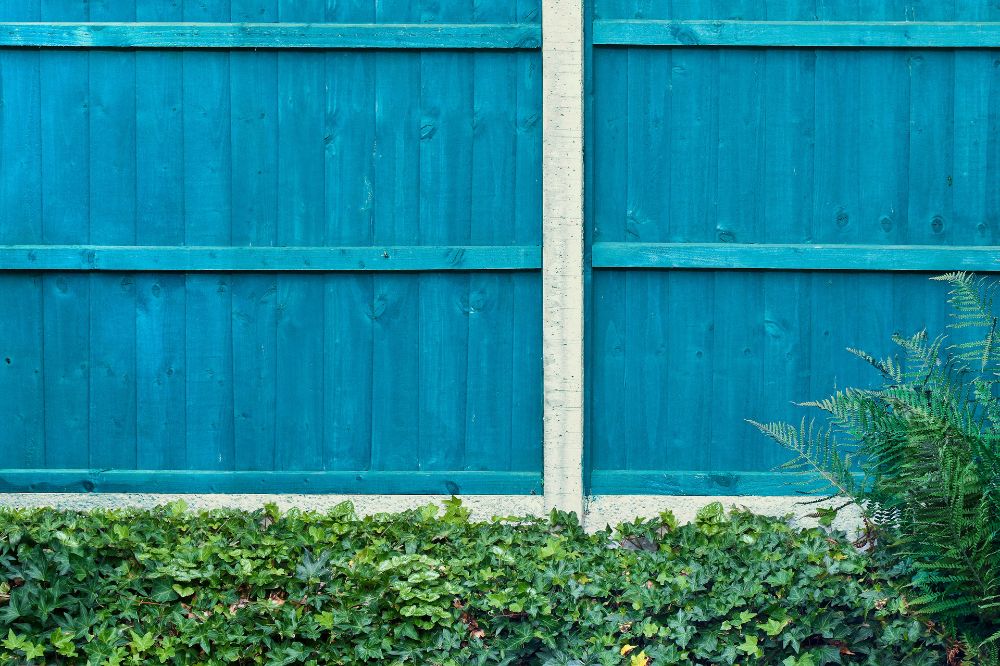
    Deciding between concrete or wooden fence posts is the first step in building a strong, secure, and attractive barrier for your property. This choice hinges on several factors, including your budget, the desired lifespan of the fence, and the overall aesthetic you're aiming for. Let's delve deeper into the pros and cons of each material to help you make an informed decision on whether to choose concrete or wooden fence posts.

    Concrete Fence Posts

    Pros:

    • Unmatched Durability: When choosing between concrete or wooden fence posts, concrete stands out for its exceptional strength and resilience. It's impervious to rot, insect infestation, and harsh weather conditions. A well-constructed concrete fence can last several decades with minimal upkeep, making it a cost-effective option in the long run.

    • Low Maintenance: Unlike wood, concrete requires minimal maintenance. You won't need to worry about applying regular coats of stain or sealant to protect it from the elements. Occasional cleaning with soap and water might be all that's required to keep your concrete fence looking its best.

    • Enhanced Security: Concrete fence posts often have pre-formed grooves designed to hold fence panels. However, for additional security, panels can be bolted directly to the concrete, creating a sturdier structure that's less susceptible to tampering. This is particularly beneficial for privacy fences or those in areas with higher security concerns.

    • Fire Resistance: Concrete is a non-combustible material, making it a good choice for fire-prone areas. A concrete fence can act as a fire barrier, potentially slowing the spread of flames and protecting your property.

    Cons:

    • Installation Challenges: Concrete's biggest drawback is its weight.  These posts can be quite heavy, requiring more manpower and potentially specialised equipment for secure installation. This can translate to higher labour costs compared to wooden posts.

    • Weight and Transportation: The weight of concrete posts also impacts transportation. If you purchase the materials yourself, the additional weight can lead to higher hauling fees.

    • Aesthetics: Concrete has a more industrial look that may not complement every landscaping style. While some modern or minimalist designs can benefit from the clean lines of concrete, they might clash with a more traditional or rustic aesthetic.

    Wooden Fence Posts

    Pros:

    • Cost-Effectiveness: Wood is typically a more budget-friendly option compared to concrete. The initial cost of purchasing and installing wooden posts is generally lower.

    • Ease of Installation: Timber posts are significantly lighter than concrete, making them easier to handle and install. This can be a DIY project for the handy homeowner, potentially saving on labour costs.

    • Natural Beauty: Wood offers a classic, natural aesthetic that blends seamlessly with many landscaping styles. The warmth of wood creates a more inviting atmosphere and complements gardens or properties with a focus on natural elements. You can further customise the look with stains or paint to match your décor.

    • Repairability: While wood is susceptible to damage, minor repairs are often easier and less expensive than concrete. For instance, a single rotten board can be replaced without needing to reconstruct the entire fence section.

    Cons:

    • Susceptibility to Damage: Wood's main weakness is its vulnerability to rot, insect damage, and warping over time. These factors can significantly shorten the lifespan of your fence if proper maintenance is neglected.

    • Maintenance Needs: To ensure longevity, wooden fences require regular maintenance. This includes applying stain or sealant every few years to protect the wood from moisture and UV damage. Additionally, you might need to replace individual boards or posts that become damaged over time.

    • Security Considerations: While wooden posts can be secured with screws, panels held in place by grooves in concrete posts might be easier to remove for potential intruders.

    Ultimately, choosing between concrete or wooden fence posts depends on your priorities and the specific needs of your property. Here's a quick recap to help you decide:

    • Concrete is the superior option for a long-lasting, low-maintenance fence, especially in exposed areas or those requiring enhanced security.

    • If you're on a budget or prefer a natural aesthetic and are willing to invest some time in maintenance, wooden fence posts can be a good choice.

    However, there are some additional factors to consider beyond the core pros and cons. 

    • Local regulations: Some areas might have restrictions on fence materials or heights. Check with your local building department to ensure your chosen material complies with regulations.

    • Soil conditions: The type of soil on your property can impact which post you select. For instance, softer soils might require deeper post holes for concrete posts to ensure stability.

    • Post size and depth: The size and depth of the posts will depend on the height and weight of your fence panels. Consult with a trusted building merchant for recommendations based on your specific fence design.

    Try Combining Materials

    You're not limited to choosing just one material. Consider combining a wooden fence with concrete posts for a fence that offers a balance of benefits. This approach provides the long-lasting durability of concrete with the natural aesthetics of wood.

    So, Should I Choose Concrete or Wooden Fence Posts?

    By carefully weighing the pros and cons of concrete and wooden fence posts, alongside the additional factors mentioned above, you can find a solution that aligns with your budget, desired look, and long-term goals for your fence. 

    Remember, a well-constructed fence adds value to your property, enhances privacy and security, and can even improve the curb appeal of your home. Choose wisely, and enjoy your new fence for years to come!

    For help deciding whether concrete or wooden fence posts are best for your project, get in touch with us or head down to our Bristol timber yard to explore our options.


    (0) Feather Edge Fence Panels: Enhancing Privacy and Aesthetics in Your Outdoor Space
    Discover the benefits of feather edge fence panels, including easy DIY installation tips, for a beautiful and private garden.
    (0) Explore Your Options with Curved Fence Panels

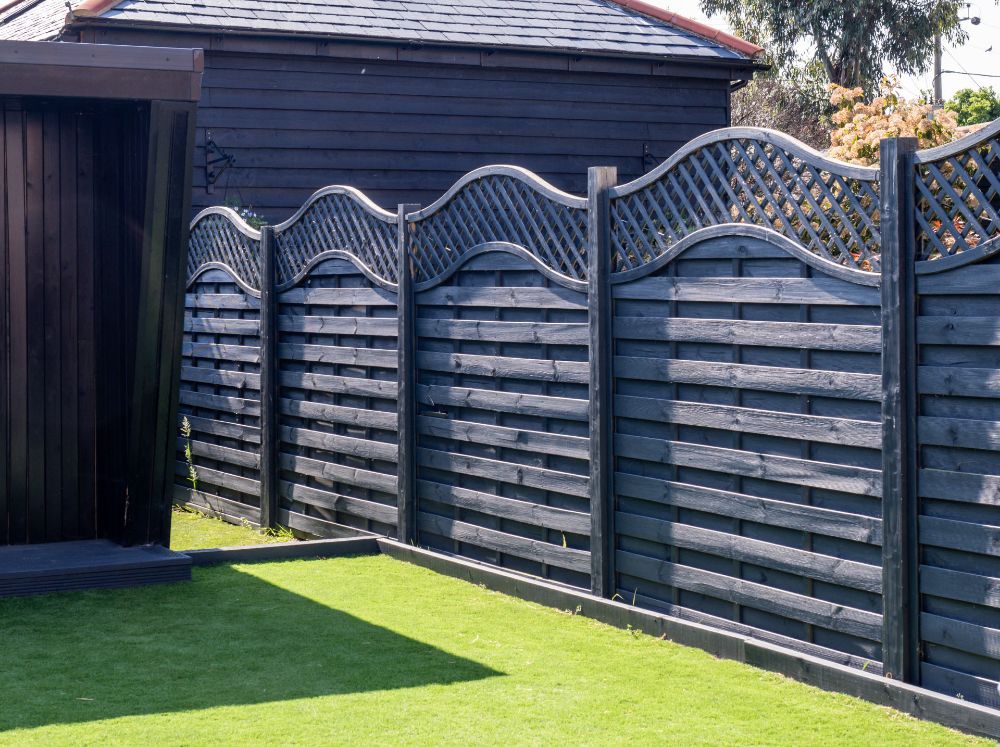
    Wooden fencing is a classic addition to any garden, offering privacy, security, and a touch of natural beauty. But what if you crave something more? Enter the world of curved fence panels! These innovative panels break away from the traditional straight lines, allowing you to create a truly unique and captivating outdoor space.

    At Bendrey Bros, we offer a variety of curved wooden fence panels to suit your design vision. Let's delve into the distinctive features of each option:

    The Neris Panel

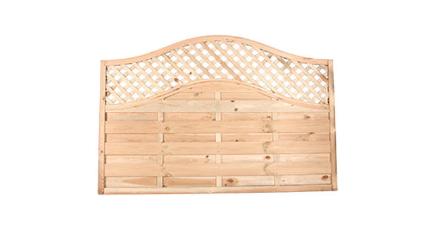
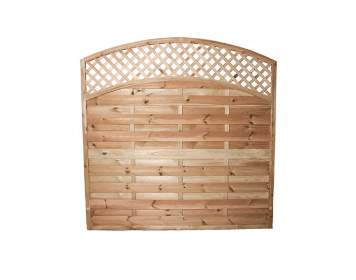
    The Neris fence panel is characterised by its wave-like curve with a lattice design. These panels boast a charming aesthetic that complements existing greenery and flowers in your garden. Crafted from high-quality timber, Neris panels offer a sense of sophistication and can be stained to match your desired colour. Many of our panels are built with ‘hit & miss’ slats, allowing wind to easily pass through.

    The Reinas Panel

    The Reinas fence panel is a perfect choice for those who want a timeless look. Featuring a gentle, traditional curve with lattice detail, these panels have a sense of elegance and charm. Reinas panels are ideal for adding a touch of sophistication to a traditional-style garden.

    Curved Madrid Panels

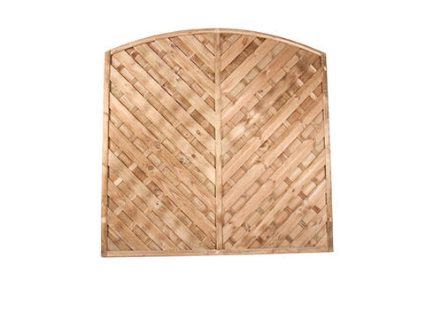
    If you want something a bit different, look no further than the Curved Madrid fence panel. These wooden panels are a testament to quality craftsmanship and meticulous design, featuring diagonal slats that add a Mediterranean vibe to your garden, perfect for creating a tropical outdoor oasis. The design is the same on both sides meaning they’re great for shared boundaries.

    The San Remo Panel

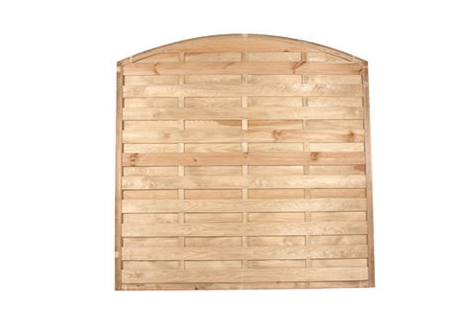
    The San Remo fence panel is a great option for those who simply require a fence to do its job yet want something different from a traditional fence panel, such as the Milano. Featuring a simple curve at the top and landscape ‘hit and miss’ slats, this wooden fence panel does the job whilst effortlessly looking good.

    Choosing Your Perfect Curved Fencing Panel

    These curved wooden fence panels offer a unique aesthetic and can significantly enhance any outdoor space. When making your selection, consider the overall style of your garden and the desired atmosphere you wish to create.

    Once you've chosen your perfect curved wooden fence panel, the creative possibilities are endless. Consider incorporating some of the below elements to further enhance your outdoor space:

    • Climbing Plants: Train climbing vines or flowers to weave their way along the fence, creating a living wall and adding a pop of colour.

    • Lighting: Place string lights or solar lamps along the curved fence and illuminate the evenings.

    • Seating Areas: Incorporate curved benches or seating areas nestled against the fence for a cosy and inviting outdoor haven.

    Embrace the Curve

    Curved fence panels offer a unique way to transform your garden into a space that's truly yours. With various styles to choose from and endless design possibilities, you can create a breathtaking and functional outdoor space that reflects your personality and design vision.

    Contact us today to discuss your project and let our experts help you choose the perfect curved fencing panels for your dream garden!

    7 Unexpected Uses For Composite Prime Decking

    Composite Prime Decking, a revolutionary alternative to traditional wood, is more than just a platform for lounging on sunny afternoons. While it excels at creating beautiful outdoor entertaining areas, composite decking offers surprising versatility. If you're looking for ways to add functionality and flair to your garden, here are our 7 unexpected uses of Composite Prime Decking.

    1. Raised Garden Beds

    Tired of back-breaking weeding and pruning? Use composite decking to create stunning and practical raised garden beds. By constructing raised beds from this durable material, you can elevate your greenery to a comfortable working height, reducing strain on your back whilst tending to your shrubs and flowers.

    2. Build Multi-Level Patios and Walkways

    Composite decking allows you to create interesting and functional multi-level spaces in your garden. By constructing platforms at different heights, you can add visual interest and define separate areas within your outdoor space.

    For example, create a raised dining area with a stunning view and a lower lounging area perfect for relaxing with a book. Utilise your decking to build gently sloping walkways that navigate uneven terrain, adding a touch of elegance and practicality to your garden and decking landscaping.

    3. Play Areas and Sand Pits

    Composite Prime Decking provides a safe, splinter-free, and comfortable surface for children to play on. Construct a dedicated play area with this material, creating a defined space for toys and activities. Surround a sand pit with your deck to keep sand contained and create a clean border. This not only makes playtime more enjoyable but also simplifies clean-up afterwards.

    4. Hot Tub Platforms

    Take your hot tub experience to the next level with a custom-built Composite Prime HD Deck XS decking platform. This decking provides a stable, secure, and slip-resistant base for your hot tub, creating a luxurious and inviting space to unwind. You can even incorporate built-in storage for towels and robes, making your hot tub area a complete relaxation haven.

    5. Creative Seating and Benches

    You could build a stylish and comfortable seating solution using decking boards for your garden. Build built-in benches along the perimeter of your deck, or create standalone benches with unique shapes and curves. Incorporate cushions and throws for added comfort, turning your decking into an extension of your living space.

    6. Pool Decks and Surrounds

    While pool decks are a classic use of decking, there are ways to make them truly unique with Composite Prime HD Deck Dual. Consider incorporating different decking patterns and colours offered by this material to create visual interest. Composite Prime HD Deck® Dual also offers a slip-resistant decking surface, making it a great option for pool surrounds.

    7. Storage Solutions

    For additional garden storage, try utilising the space underneath your elevated deck for clever storage solutions. Build hidden compartments or utilise deck boxes to store garden tools, toys, or outdoor furniture cushions.

    Unlocking the Potential of Composite Prime Decking in Bristol

    By thinking outside the box, decking can become a truly transformative element in your garden. From creating functional raised garden beds to safe play areas for children, the possibilities are endless. With a little creativity and planning, you can unlock the unexpected uses of composite to create a stunning and multi-functional outdoor space you'll love for years to come.

    At Bendrey Bros, we are proud to offer a wide selection of Composite Prime solutions, including the Composite Prime HD Deck Pro, in various colours to suit your unique vision. Our Bristol-based team is happy to help you choose the perfect decking solution for your project and answer any questions you may have. Contact us today for help with your decking project or head down to our timber yard to see our full range of products.

    The Advantages of Softwood Decking: Beauty on a Budget

    Transforming your outdoor space into a tranquil haven or an entertaining oasis is a dream for many British homeowners. The allure of lazy summer evenings spent basking in the sunshine, hosting barbecues with friends and family, or simply enjoying a cup of tea in the fresh air is undeniable.

    But the cost of decking materials can sometimes put a damper on those aspirations. Here's where the advantages of softwood decking step in, offering a compelling combination of affordability, practicality, and natural charm.

    Budget-Friendly: A Key Advantage of Softwood Decking

    Softwood decking is undeniably the most cost-effective option compared to hardwood and composite decking alternatives. This makes it perfect for those who want to create a beautiful outdoor space without breaking the bank. Let's face it, home improvement projects can quickly escalate in cost. 

    Softwood offers a breath of fresh air, allowing you to achieve your vision for a fraction of the price. Whether you're planning a cosy patio for your morning coffee or a large entertaining deck for summer soirées, the advantages of softwood decking allow you to achieve your vision without sacrificing functionality or aesthetics.

    A Sustainable Source

    Many softwood options, such as pine and spruce, come from fast-growing trees. This makes them a more environmentally friendly choice compared to slow-growing hardwood decking options. In today's world, being mindful of our environmental impact is crucial. Choosing softwood allows you to create your dream outdoor space with the knowledge that you're minimising your footprint. This is another advantage of softwood decking that environmentally conscious homeowners will appreciate.


    Easy on the Eyes (and Hands)

    Softwood boasts a natural warmth and beauty that complements any garden design. The rich tones and visible wood grain add a touch of rustic charm, blending seamlessly with existing greenery and landscaping. 

    However, the advantages of softwood decking extend beyond aesthetics. The lighter weight of softwood compared to hardwood makes it easier to work with, allowing for a smoother DIY decking installation experience. Cutting, shaping, and fitting the decking boards becomes a more manageable task, even for those without extensive carpentry experience. This translates to potential cost savings, as you might not need to hire a professional for installation.

    Built to Last (with a Little TLC)

    Modern pressure-treated softwood offers excellent durability, resisting rot and insect damage. This pressure treatment involves forcing a preservative solution deep into the wood fibres, significantly increasing lifespan. Here in the UK, where the weather can be unpredictable, this resilience is crucial. However, it's important to remember that no material is invincible.

    Regular decking maintenance, such as cleaning and staining, will further extend the lifespan of your softwood deck, ensuring you enjoy your outdoor haven for years to come. The good news is that maintaining a softwood deck is a relatively simple process, requiring minimal effort and expense.

    Softwood Decking: The Perfect Choice, Weighing the Advantages

    While softwood offers many advantages, it's important to consider your specific needs and priorities. Here's a breakdown to help you decide...

    Choose Softwood If:

    • You're on a budget and want to create a beautiful outdoor space for a fraction of the cost.

    • Sustainability is a major concern of yours.

    • You're planning a DIY project and appreciate the ease of working with softwood.

    • You enjoy the natural aesthetic of wood and the warmth it brings to an outdoor space.

    Consider Hardwood If:

    • Your deck will be exposed to heavy traffic or harsh weather conditions.

    • You desire a truly weather-resistant option with minimal maintenance requirements.

    • You have a specific colour preference not readily available in soft

    The Final Touches: Bringing Your Softwood Deck to Life

    Once you've chosen your perfect softwood decking, it's time to consider the finishing touches. Staining your deck not only enhances its natural beauty but it adds an extra layer of protection against the elements. Explore a variety of decking treatments and stain colours to complement your existing garden design and create the desired aesthetic. You can also add a touch of personality with decorative features like planters, outdoor furniture, and fairy lights.

    If you are ready to start planning your summer decking project, then head down to your trusted timber yard for premium materials, DIY advice and much more!